Topic
Career change articles and guides
Moving into a new field: reframing transferable skills, explaining the switch to recruiters, and handling employment gaps honestly.
3 articles
Changing fields means making your case before anyone hands you the benefit of the doubt. The raw material is almost always there — skills, judgement, results that transfer — and the real work is framing it so a stranger in the destination field recognises what you already do.
These guides cover that translation directly: rewriting your history in the new field's vocabulary, explaining the switch without apology or overshare, handling employment gaps honestly, and using a hybrid format when a purely chronological resume buries the point.
They also cover testing the move before committing to it: the projects, courses, and conversations that confirm the new field suits you before the whole career rests on the answer.
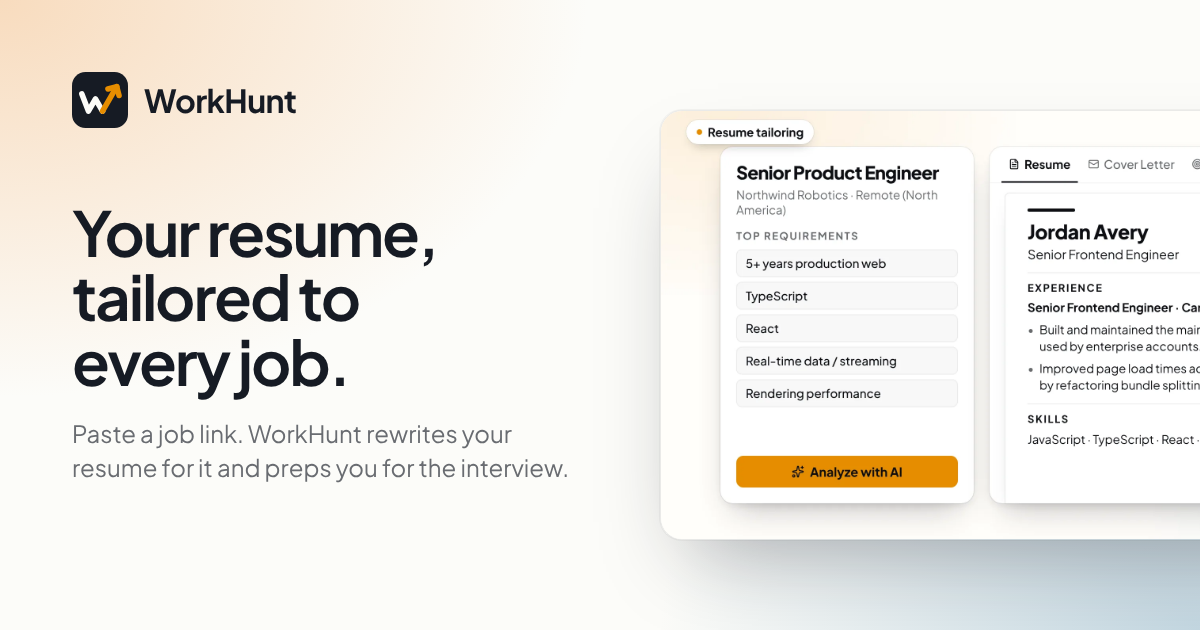
Expect the first applications into a new field to need more tailoring than you are used to. Each posting in an unfamiliar industry uses its own words for work you have already done, and matching that language line by line is usually what turns a polite rejection into a first conversation with someone who can see the fit.

August 10, 2026 · 9 min read
How to Write a Career Change Resume That Gets Noticed
Write a career change resume that gets interviews without direct experience: pick the right format, map transferable skills, and use the new field's terms.

July 12, 2026 · 6 min read
Resume Summary Examples for Every Career Stage 2026
Stop writing one-size-fits-all summaries in 2026. Get stage-specific resume summary templates for entry to executive levels that actually get read.
July 11, 2026 · 5 min read
How to Explain a Career Gap on Your Resume in 2026
Get recruiter-backed scripts to explain employment gaps on your resume, cover letter, and interviews in 2026 without sounding defensive or vague.